Combination of Data Science : Facing Future Trends
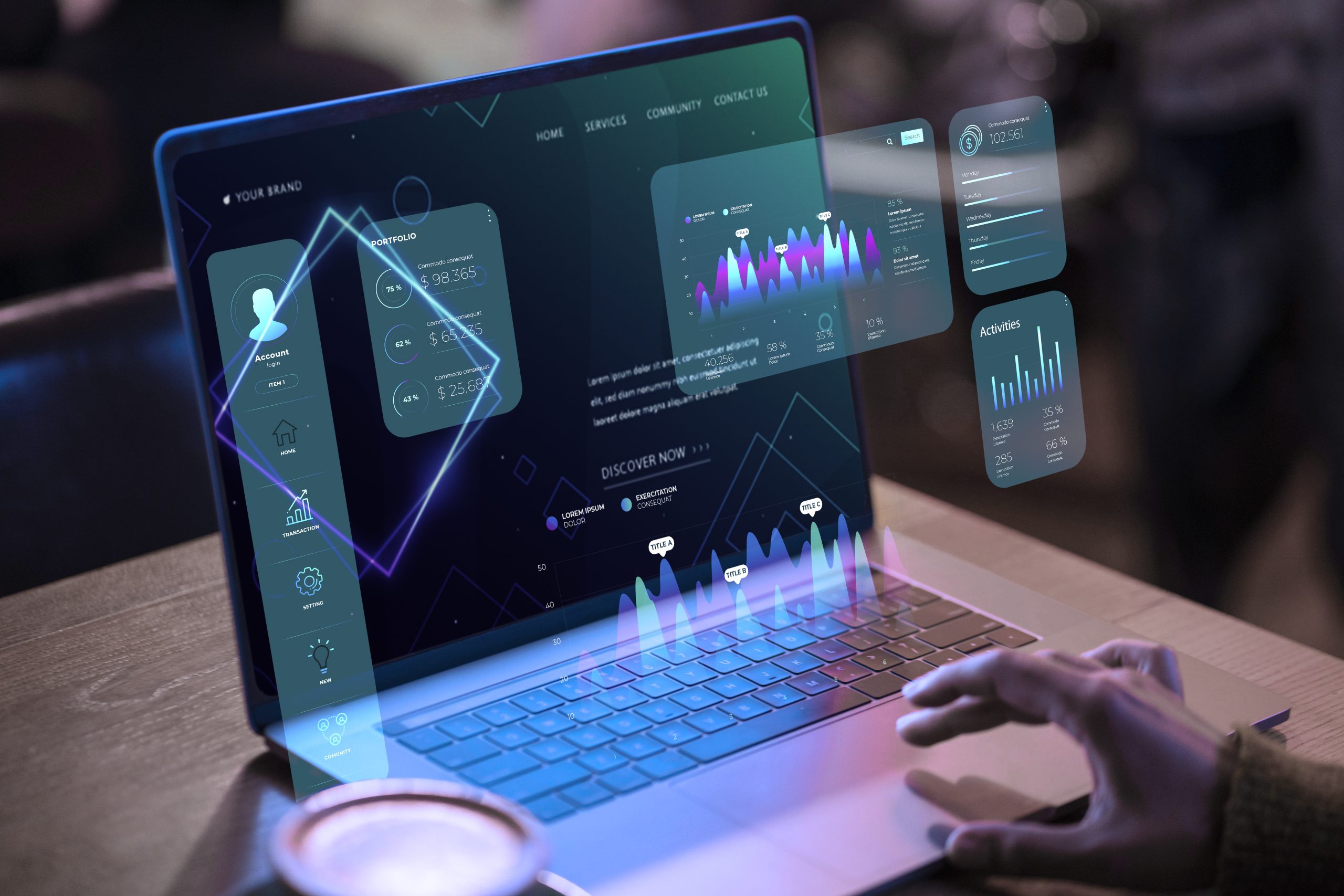
The advancement of information technology and digitalization has ushered in a new era in both business and education. Two fields that are increasingly gaining significance are Accounting and Data Science. Traditionally, accounting has focused on accurate financial record-keeping and reporting. However, with the growing complexity of data and the need for faster and more precise decision-making, the integration of accounting and data technology has become an essential requirement.
The combination of Data Science Accounting allows professionals not only to understand the financial condition of a company but also to analyze big data, predict risks, detect fraud, and provide data-driven strategic recommendations. Therefore, Master’s programs in Accounting with a data science approach have become an increasingly popular trend.
Telkom University, as one of the top private universities in Indonesia, offers a Master’s program that comprehensively integrates both fields. This program is designed to produce graduates who are not only proficient in accounting but also skilled in managing and analyzing large and complex financial data.
Definition and Basic Concepts of Accounting and Data Science
What is Accounting?
Accounting is a systematic process that involves recording, classifying, reporting, and interpreting an organization’s financial data. The primary function of accounting is to provide relevant and accurate information for stakeholders such as management, investors, regulators, and the public.
Financial reports like balance sheets, income statements, and cash flow statements are the main outputs of accounting activities, serving as the foundation for business decision-making.
What is Data Science?
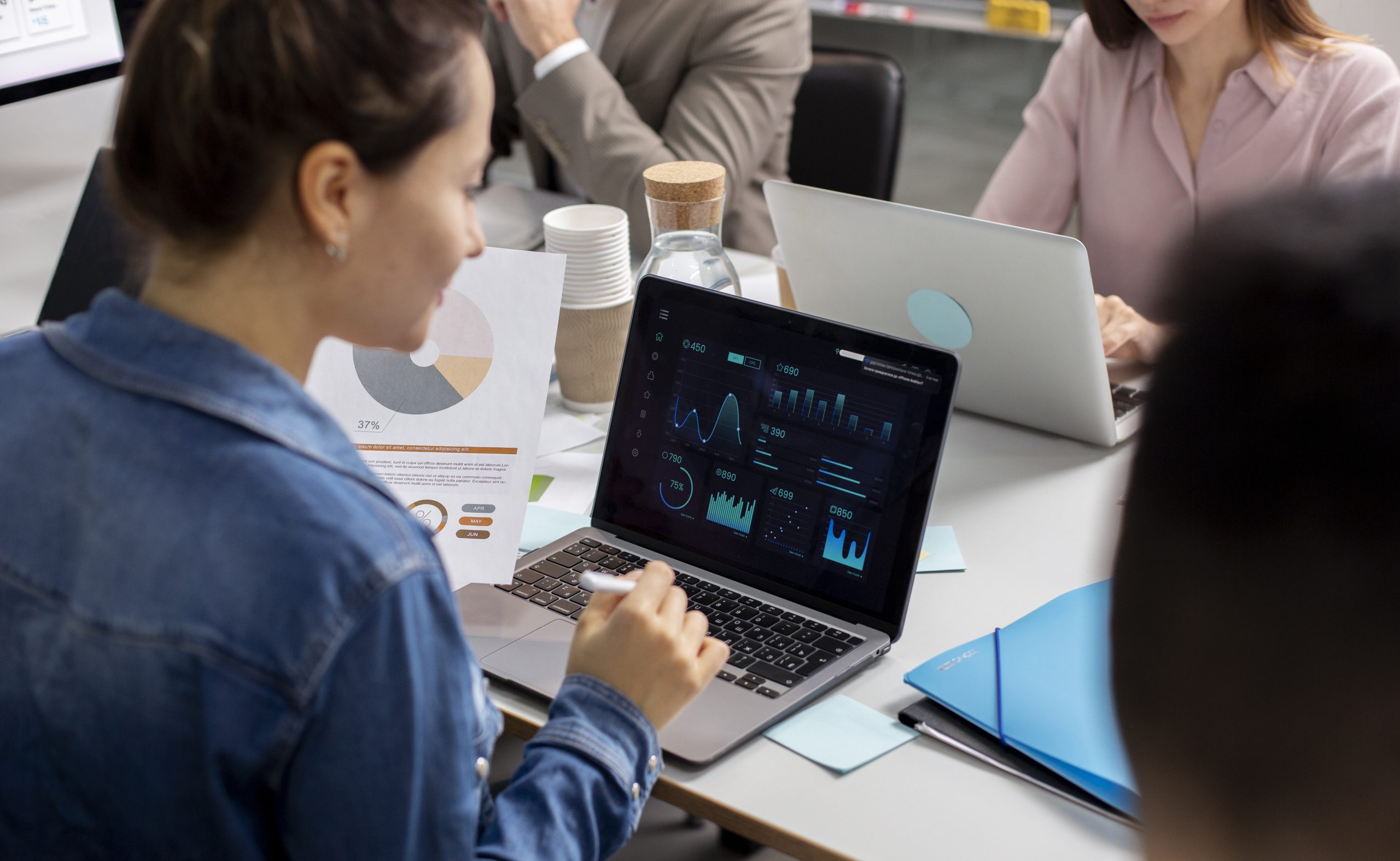
Data Science is an interdisciplinary field that uses statistical techniques, algorithms, and computing technologies to collect, process, and analyze large and diverse sets of data. Its goal is to uncover patterns, trends, and insights that can assist in making more informed decisions.
Data Science methods include machine learning, data mining, statistical analysis, data visualization, and natural language processing.
Integration of Accounting and Data Science
The combination of Accounting and Data Science creates a field capable of transforming financial data into strategic information with high speed and accuracy. With the capabilities of data science, accountants can:
-
Perform predictive analysis to forecast future financial conditions
-
Detect fraud using anomaly detection methods
-
Automate accounting processes with RPA (Robotic Process Automation)
-
Visualize data to support decision-making
This combination makes graduates proficient in both fields highly sought after across various industries.
The Evolution of Accounting in the Digital Era
Transformation of Traditional Accounting
Accounting initially focused on manual recording and periodic report preparation. However, the rise of information technology has changed the way accountants work. Modern accounting software and ERP (Enterprise Resource Planning) systems are now used to manage financial data in real-time.
Challenges in Modern Accounting
The ever-increasing volume of data, data variation from various sources, and the need for faster analysis pose significant challenges. Additionally, fraud risks and errors in financial reporting require more advanced detection methods.
Solutions through Data Science
Data Science provides solutions to these challenges. For example, machine learning algorithms can help identify suspicious transaction patterns to detect fraud. Financial forecasting can also be done using statistical models based on historical and real-time data.
Implementation of Accounting and Data Science in Business Practices
Fraud Detection and Modern Auditing
Using data mining and machine learning techniques, auditors can analyze millions of transactions to identify signs of fraud with high accuracy. This approach is far more efficient than traditional manual audits.
Financial Risk Analysis
Companies can leverage data science to analyze credit risk, market risk, and operational risk. By doing so, they can take appropriate mitigation actions before risks materialize.
Data-Driven Decision Making
The integration of accounting and data science allows management to access real-time interactive dashboards that present financial and operational data, enabling quick and data-based strategic decisions.
Process Automation and Efficiency
Automating routine tasks such as reconciliation, data collection, and report generation using RPA technology increases efficiency and reduces the risk of human error.
Master’s Degree in Accounting Integrated with Data Science
The Role of Education in Meeting Industry Demands
As the industry becomes more digital, the need for professionals with dual competencies—Accounting and Data Science—continues to rise. Universities have adapted their curricula by incorporating data science into accounting master’s programs.
Curriculum for the Master’s in Accounting and Data Science
An ideal curriculum includes:
-
Advanced accounting and financial reporting standards
-
Accounting information systems and financial technologies
-
Statistical analysis and financial data analysis
-
Python, R programming for data analysis
-
Machine learning and artificial intelligence for finance
-
Professional ethics and digital regulations
Advantages of the Master’s Program at Telkom University
Telkom University, one of the best private universities (PTS) in Indonesia, offers an integrated Master’s program in accounting and data science with several advantages:
-
Experienced faculty from both academia and industry
-
Comprehensive computer labs equipped with the latest software
-
Internship programs and collaborative research projects
-
Scholarships and research funding support
-
A curriculum based on real-world cases and projects
Career Prospects and Opportunities for Graduates in Accounting and Data Science
Market Demand
The demand for professionals with expertise in both Accounting and Data Science continues to grow in sectors such as banking, insurance, fintech, consulting, and multinational companies.
Career Positions
-
Financial Data Analyst
-
Technology-driven Internal Auditor
-
Data Scientist for financial analysis
-
Risk and compliance consultant
-
CFO with expertise in information technology
Supporting Skills
In addition to accounting and data science expertise, additional skills required include:
-
Programming in Python, R, SQL
-
Database and data warehouse management
-
Data visualization using Tableau, Power BI
-
Understanding of machine learning and AI
Case Studies and Real-World Applications of Accounting and Data Science
Fraud Detection in an Insurance Company
A major insurance company uses machine learning to analyze incoming claims and detect anomaly patterns. The system is able to identify suspicious claims faster, making the audit process more efficient.
Optimizing Cash Flow in Manufacturing Companies
By using data analytics and predictive modeling, manufacturing companies can optimize cash management and working capital, minimizing the risk of cash shortages and improving operational efficiency.
Developing Interactive Financial Dashboards
Previously static financial reports can now be visualized interactively through dashboards, which can be accessed in real-time by management and stakeholders.
Technologies Supporting Accounting and Data Science
Modern ERP and Accounting Software
SAP, Oracle Financials, and Microsoft Dynamics are examples of ERPs that support the integration of financial data and analytics.
Programming Languages and Data Science Tools
Python, R, and SQL are the primary programming languages for data analysis. Popular libraries such as Pandas, NumPy, and Scikit-Learn assist in building analytical models.
Data Visualization
Tableau, Power BI, and QlikView are key tools for creating reports and interactive dashboards that are easy to understand.
Cloud Computing and Big Data
Cloud platforms such as AWS, Google Cloud, and Microsoft Azure provide the infrastructure to store and process big data at scale.
How to Apply and Study at Telkom University’s Master’s in Accounting Program
Application Requirements
-
A bachelor’s degree in a related field
-
Complete documentation: diploma, transcripts, CV, recommendation letter
-
Undergo administrative selection and interview
Scholarships and Funding
Telkom University offers various merit-based scholarships and research funding programs.
Academic Support and Facilities
Full computer labs, access to international journals, and online and offline learning support facilities.
Alumni Testimonials of the Accounting and Data Science Program
“Taking the Master’s program at Telkom University opened my eyes to the importance of technology in accounting. Now I can help companies with accurate data analysis and business forecasting.”
— Rina
“The comprehensive curriculum and professional faculty made me confident in entering a highly competitive job market.”
— Dedi
Frequently Asked Questions (FAQ)
Q1: Do I need an IT background to join the Accounting and Data Science Master’s program?
A1: Not necessarily. The program is designed for students from accounting or economics backgrounds to gradually learn data science.
Q2: Does this program offer additional certifications?
A2: Yes, the program offers training and certifications tailored to industry needs.
Q3: How long is the duration of the Master’s program?
A3: The program typically lasts 1.5 to 2 years, depending on the student’s pace.
Q4: Is there an internship program available?
A4: Yes, Telkom University partners with various companies to offer internships and research projects.
Conclusion
Mastering Accounting and Data Science is essential for professionals who want to take an active role in the increasingly digital and data-driven business world. The combination of these two fields provides a significant competitive advantage. A Master’s program that integrates data science into accounting, such as the one offered by Telkom University, is highly relevant in preparing future professionals for the workforce.
Interested in applying to Telkom University? Register now and start your professional career journey in the field of accounting.
Tags: Master’s in Accounting | Accounting Master’s | Telkom University Master’s in Accounting
Reference:
Admin. (2025, January 15). Tren Akuntansi 2025: Teknologi dan Inovasi Mendorong Perubahan. STIE Internatioal Golden Institute. https://stie-igi.ac.id/tren-akuntansi-2025-teknologi-dan-inovasi-mendorong-perubahan/


